
 Albania
 Greece








What Is the Sharing Economy in Travel?
Pro tip: Research and verify the reputation of sharing economy platforms by checking user reviews and platform policies before making any bookings.
Things To-Do
Discover amazing trips and activities while you're here!
What Is the Sharing Economy in Travel?

Searching for ways to enjoy Albania while keeping costs low and experiences rich is a challenge facing many international travelers and digital nomads. The rise of the sharing economy in travel offers flexible solutions beyond traditional hotels and rental agencies. Digital platforms now make it possible to connect directly with local hosts and service providers, giving visitors access to unique, personalized travel options. This article highlights how peer-to-peer travel services create greater choice and authentic experiences for anyone exploring Albania.
Table of Contents
- Defining the Sharing Economy in Travel
- Major Types of Travel Sharing Services
- How Peer-to-Peer Travel Platforms Function
- Key Benefits and Drawbacks for Travelers
- Risks, Legal Issues, and Traveler Protections
Key Takeaways
| Point | Details |
|---|---|
| Transformation of Travel | The sharing economy reshapes transportation and accommodation, emphasizing collaborative consumption and peer-to-peer interactions. |
| Diverse Travel Services | Accommodation, transportation, and experience sharing services offer unique options that foster authentic local interactions. |
| Legal and Safety Considerations | Travelers should be aware of regulatory ambiguities and potential risks while using sharing platforms, necessitating thorough research and understanding of protections. |
| Balance of Opportunities and Risks | While sharing economy platforms provide cost advantages and personalized experiences, travelers must remain vigilant about service quality and safety issues. |
Defining the Sharing Economy in Travel
The sharing economy has fundamentally transformed how travelers approach transportation, accommodation, and experiences. At its core, this innovative economic model represents a significant shift from traditional ownership towards collaborative consumption. Peer-to-peer interactions facilitated by digital platforms enable individuals to share underutilized assets and services more efficiently.
In the travel context, the sharing economy goes beyond simple transactions. It creates an interconnected ecosystem where travelers can access unique experiences and resources directly from local providers. Shared accommodations, transportation networks, and experience exchanges represent key components of this dynamic model. The approach fundamentally challenges traditional tourism infrastructures by democratizing access and creating more personalized, flexible travel opportunities.
Key characteristics of the sharing economy in travel include:
- Direct peer-to-peer interactions
- Reduced reliance on centralized service providers
- Enhanced resource utilization
- Lower environmental impact
- More authentic, localized experiences
- Increased economic opportunities for individuals
Digital platforms enabling decentralized travel services have accelerated this economic transformation. These technological networks connect travelers with local hosts, transportation providers, and experience curators in ways previously impossible. The model creates transparency, builds trust through user reviews, and empowers individuals to participate actively in the global travel marketplace.
Pro tip: Research and verify the reputation of sharing economy platforms by checking user reviews and platform policies before making any bookings.
Major Types of Travel Sharing Services
Travel sharing services have dramatically expanded the ways individuals can access travel experiences by creating innovative platforms that connect travelers directly with local resources. Diverse sharing models have emerged, transforming traditional travel consumption patterns and offering unprecedented flexibility for modern travelers.
The primary categories of travel sharing services include:
- Accommodation Sharing
- Entire home rentals
- Shared room experiences
- Homestays with local families
- Transportation Sharing
- Ride-sharing services
- Car rental and car-sharing platforms
- Peer-to-peer vehicle exchanges
- Experience Sharing
- Local guided tours
- Cultural workshops
- Adventure experiences curated by residents
Peer-to-peer platforms connecting travelers with local providers have revolutionized how people explore destinations. These services enable more authentic, personalized travel experiences by breaking down traditional barriers between tourists and local communities. Unlike conventional tourism models, sharing services emphasize direct human connections and localized interactions.
Each sharing service type offers unique advantages. Accommodation sharing allows travelers to experience destinations through a local lens, transportation sharing reduces environmental impact and provides cost-effective mobility, while experience sharing offers deep cultural immersion that traditional tour operators rarely achieve.
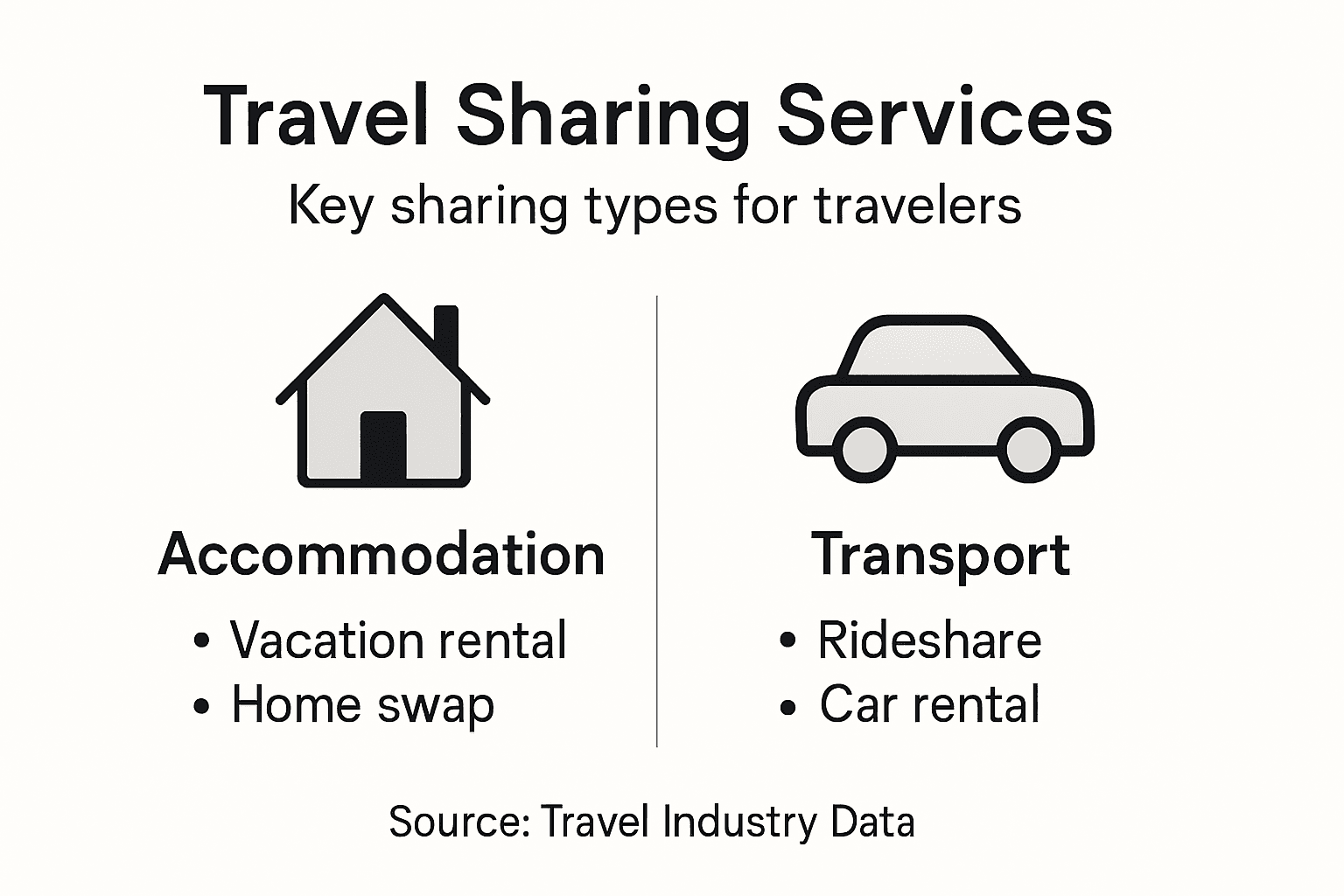
Here is a summary comparing major types of travel sharing services:
| Service Type | Typical Offerings | Traveler Benefit | Example Platform |
|---|---|---|---|
| Accommodation Sharing | Private homes, room stays | Immersive local experiences | Airbnb |
| Transportation Sharing | Ride-sharing, car-sharing | Flexible, cost-effective travel | Uber, Turo |
| Experience Sharing | Local tours, workshops | Unique cultural immersion | Viator, GetYourGuide |
Pro tip: Always verify platform credibility by checking user reviews, host/provider ratings, and platform safety protocols before booking any shared travel service.
How Peer-to-Peer Travel Platforms Function
Digital intermediary platforms have revolutionized travel interactions by creating sophisticated networks that connect service providers directly with travelers. Digital platforms manage complex peer exchanges through intricate technological ecosystems designed to facilitate trust, communication, and transactional reliability.
The core functional components of peer-to-peer travel platforms include:
- User Verification Systems
- Identity authentication
- Background checks
- User profile validation
- Reputation Management
- User rating mechanisms
- Review and feedback systems
- Performance tracking
- Transactional Infrastructure
- Secure payment processing
- Dispute resolution protocols
- Commission and fee structures
These platforms operate through sophisticated algorithms that create transparency and build user confidence. They carefully balance technological solutions with human-centered design, ensuring that both service providers and travelers feel protected throughout their interactions. The platforms essentially act as digital marketplaces, managing risk, facilitating communication, and providing infrastructure for seamless peer-to-peer exchanges.

The technological backbone of these platforms involves complex matching systems that consider multiple variables like user preferences, location, pricing, and historical performance data. By creating sophisticated filtering and recommendation mechanisms, peer-to-peer platforms transform traditional service delivery models, making travel experiences more personalized and accessible.
Pro tip: Always review a platform’s trust and safety policies before creating an account or making any transactions to understand your protections and rights.
Key Benefits and Drawbacks for Travelers
The sharing economy has dramatically transformed travel experiences, offering both exciting opportunities and significant challenges for modern travelers. Sharing platforms create complex consumer landscapes that require careful navigation and understanding.
Key benefits for travelers include:
- Cost Efficiency
- Lower prices compared to traditional services
- Access to unique, affordable experiences
- Flexible pricing models
- Authentic Experiences
- Direct interaction with local providers
- Personalized travel opportunities
- Insider perspectives on destinations
- Resource Optimization
- Sustainable travel options
- Reduced environmental impact
- More efficient asset utilization
Sharing economy platforms present significant consumer challenges that travelers must carefully consider. Potential drawbacks include inconsistent service quality, safety uncertainties, and regulatory complexities. These platforms can create market disruptions that impact traditional tourism infrastructure and potentially generate labor precarity.
Navigating these platforms requires a balanced approach. While they offer unprecedented access and affordability, travelers must remain vigilant about potential risks. Careful research, reading user reviews, understanding platform policies, and maintaining realistic expectations are crucial for maximizing the benefits of shared travel services.
Pro tip: Always compare multiple platforms, read recent reviews thoroughly, and verify insurance and safety protocols before booking any shared travel service.
Risks, Legal Issues, and Traveler Protections
The sharing economy introduces complex legal landscapes that challenge traditional regulatory frameworks and consumer protection mechanisms. Sharing platforms create regulatory uncertainties595897_EN.pdf) that demand careful navigation from both travelers and service providers.
Primary legal risks and challenges include:
- Regulatory Ambiguity
- Inconsistent national/local regulations
- Unclear liability frameworks
- Varying tax compliance requirements
- Consumer Protection Concerns
- Limited legal recourse
- Potential safety uncertainties
- Inconsistent quality standards
- Platform Accountability
- Minimal direct responsibility
- Complex dispute resolution processes
- Shifting legal interpretations
Travelers must develop proactive strategies to mitigate potential risks associated with sharing economy platforms. Understanding the nuanced legal environment requires careful research, comprehensive platform review, and maintaining realistic expectations about service delivery and potential complications.
Effective traveler protection involves a multifaceted approach of personal diligence, platform reputation assessment, and staying informed about evolving regulatory landscapes. While sharing economy platforms offer unprecedented access and flexibility, they simultaneously demand heightened consumer awareness and strategic decision-making.
The following table outlines key risks and protections for sharing economy travelers:
| Risk Area | Common Issues | Protection Strategy | Impact on Travelers |
|---|---|---|---|
| Legal Uncertainty | Changing regulations | Research local laws, verify platform terms | Possible fines/confusion |
| Safety & Quality | Variable standards | Read recent reviews, choose insured hosts | Better service, less risk |
| Disputes & Liability | Complex resolutions | Save records, buy supplemental insurance | Financial recourse |
Pro tip: Always document all communications, save transaction records, and purchase supplemental travel insurance when using sharing economy platforms to enhance your personal protection.
Unlock the Full Potential of the Sharing Economy in Your Travel Plans
Navigating the sharing economy can feel overwhelming with its mix of peer-to-peer services, diverse accommodation options, and evolving legal considerations. If you’re seeking authentic Albanian experiences, cost-effective transportation, and trusted local activities all in one place, finding reliable platforms that prioritize your safety and convenience is key. Checkin.al offers exactly this by connecting you directly with verified providers in Albania, ensuring seamless booking and genuine local engagement.
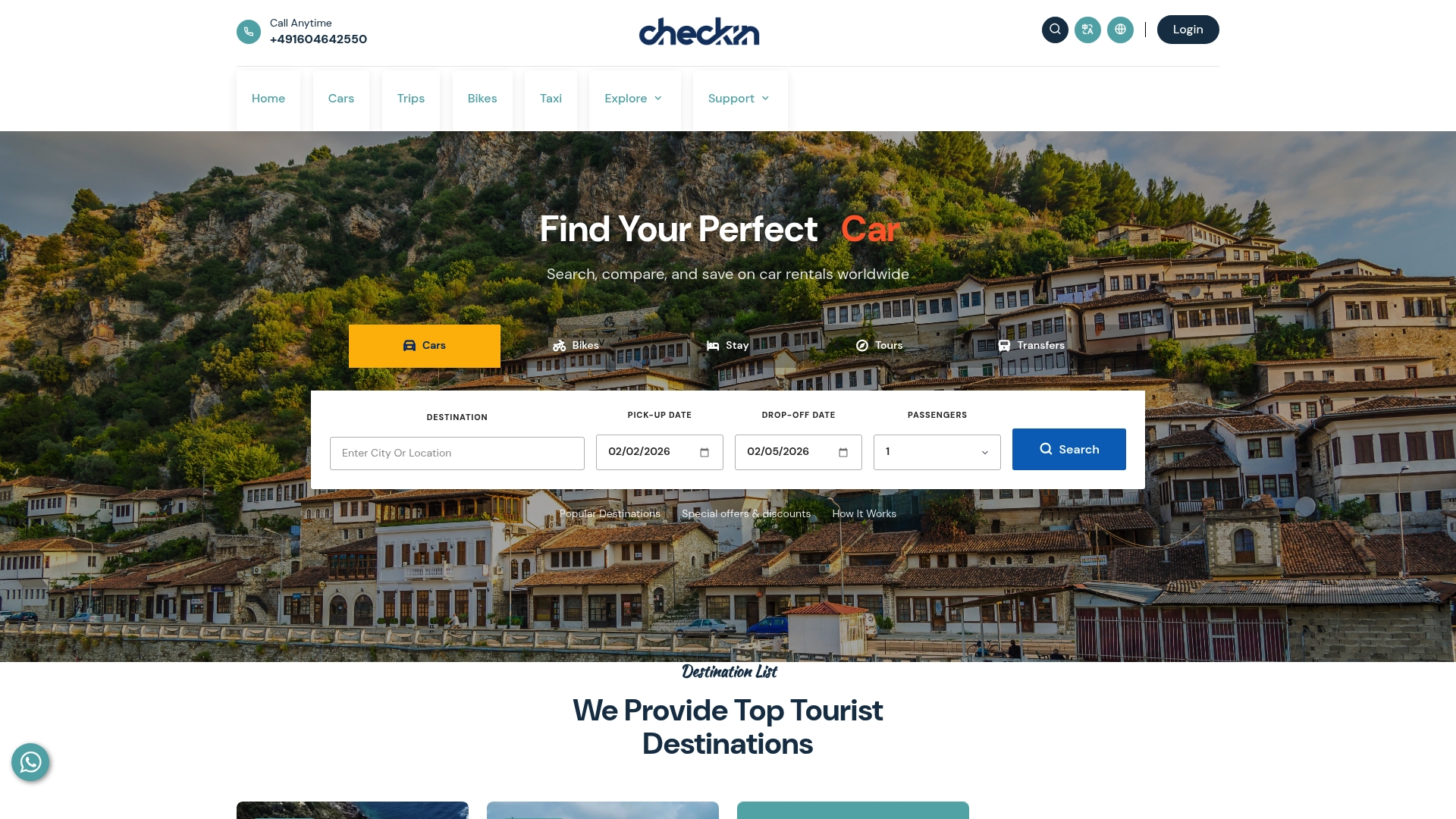
Experience the best of Albania’s sharing economy without worry by using Checkin.al. Benefit from flexible car rentals, curated tours, bike rentals, and accommodation choices designed to maximize your authentic travel experience. Act now to organize your trip effortlessly, enjoy transparent pricing, and unlock insider access to local events and attractions. Start your seamless journey today at Checkin.al and embrace travel freedom backed by trust and convenience.
Frequently Asked Questions
What is the sharing economy in travel?
The sharing economy in travel refers to a model where individuals share access to underutilized assets and services, facilitated by digital platforms. This allows travelers to engage in Direct peer-to-peer interactions for accommodation, transportation, and unique local experiences.
What are the major types of travel sharing services?
The major types of travel sharing services include accommodation sharing (like vacation rentals), transportation sharing (such as ride-sharing and car-sharing), and experience sharing (which offers local guided tours and cultural activities).
What are the benefits of using sharing economy platforms in travel?
Benefits include cost efficiency with lower prices than traditional services, authentic travel experiences through direct local interactions, and resource optimization with sustainable travel options that reduce environmental impact.
What are some risks associated with sharing economy travel platforms?
Risks include regulatory ambiguity regarding service standards, safety concerns due to variable quality, and complex dispute resolution processes. Travelers should conduct thorough research and review platform policies before engaging in transactions.